Professional Roof Repairs Moncton
You need Moncton roofing specialists who design for freeze-thaw, Petitcodiac winds, and heavy precipitation. Verify CSA‑aligned setups: impact‑rated shingles, SBS‑modified ice/water shields with superior bonding strength, stainless or hot‑dipped galvanized flashings, Class H wind ratings, and anti-corrosion fasteners. Demand calibrated ventilation, infrared/attic diagnostics, and image-tracked QA. Request transparent, itemized estimates, manufacturer registration, and portable workmanship warranties. Crews should offer emergency tarp/steam de‑icing and maintenance schedules that preserve coverage. Learn how to select the best option moving forward.
Important Insights
- Regional Moncton experience: customized for challenging climate factors, including temperature fluctuations, windstorms from the Petitcodiac, and winter ice accumulation, featuring proper gradient specifications, superior ventilation solutions, and durability-tested materials.
- Utilizes SBS-modified membranes, rust-resistant fasteners and flashings, and high-grade H-class shingles specifically suited for harsh coastal environments and strong winds.
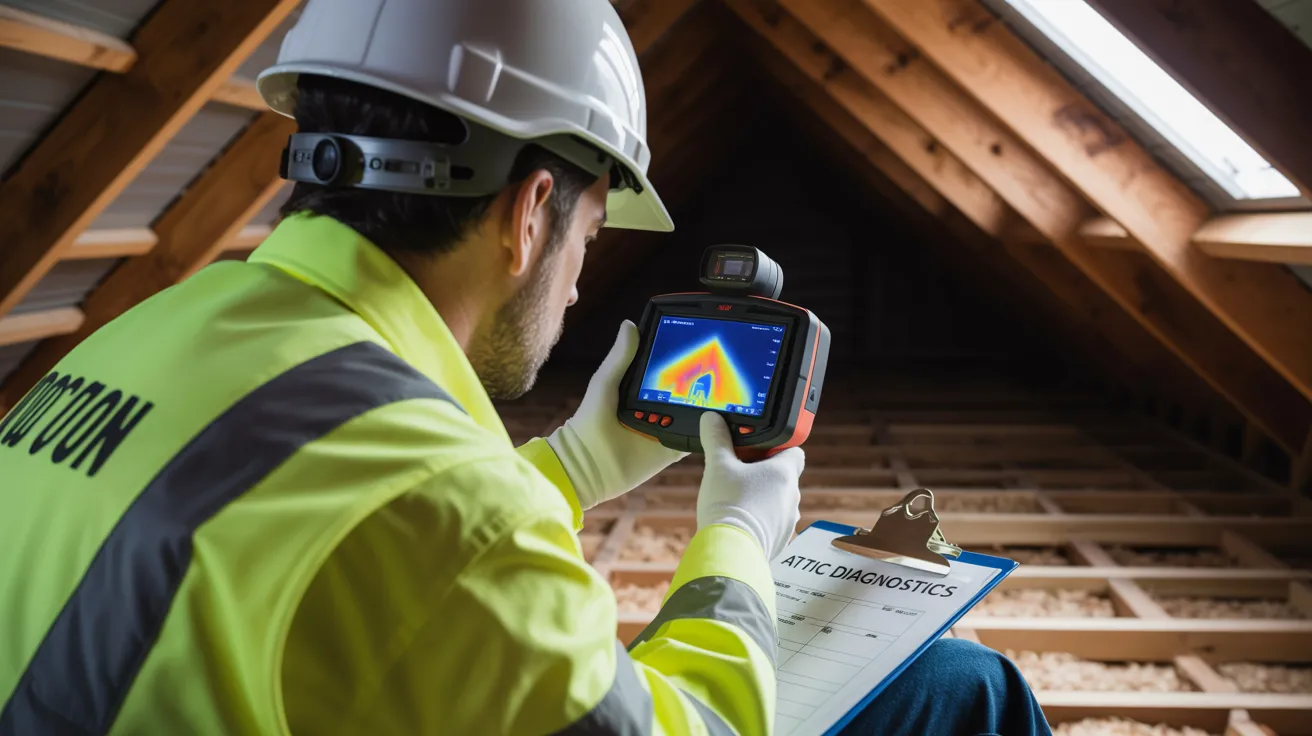
- Comprehensive assessments featuring roof and attic evaluations, infrared-based moisture detection, air circulation analysis, and CSA and manufacturer-specified installation checklists.
- Rapid emergency assistance: fast tarp installation and temporary sealing, professional steam-based de-icing, comprehensive insurance-ready photographs, and structured repair schedules with clear timeframes.
- Transparent workflows showcase itemized pricing, scheduled maintenance, photo documentation and full warranty coverage featuring comprehensive workmanship and manufacturer warranty guarantees.
The Importance of Local Roofing Expertise in Moncton
Because of Moncton's distinct microclimate is harsh on roofs, regional experience significantly affects installation planning, material selection, and guarantee effectiveness. It's essential to have a contractor who is familiar with freezing and thawing patterns, wind conditions along the Petitcodiac, and weather patterns that drives ice dam formation. Regional specialists specify appropriate slopes, underlayments, and ventilation to handle humidity levels and thermal stress.
They will select materials certified for Moncton-impact-rated shingles, specially modified membranes, anti-corrosion fasteners, and enhanced snow eaves protection-so your roof meets area regulations while maintaining performance. Crews arrange installations around off-peak season conditions, implementing low-temperature adhesives and proper torch restrictions for secure installation.
Established firms fine-tune maintenance schedules and manufacturer documentation to preserve warranty validity in this environment. You'll receive minimal return visits, predictable maintenance costs, and validated get more info compliance from day one.
Common Signs of Needed Roof Repairs or Replacement
Consider persistent indoor leaks as a major warning sign, instead of a minor inconvenience, because moisture intrusion compromises your home's essential materials. If you notice missing or curled shingles, it reveals failed weatherproofing that exposes substrates to wind-driven rain and ice. Our team will evaluate the entire roof, quantify damage, and determine whether partial fixes or complete renovation delivers optimal long-term results.
Ongoing Interior Water Leaks
Recurring interior leaks typically signal underlying roofing problems instead of basic maintenance needs. When water stains appear on interior surfaces, window frames, or wall connections, you're typically encountering compromised underlayment, failed flashing, or punctured membranes—not just surface moisture. Recurrent drips after light rain reveal routes that circumvent roofing materials and saturate sheathing and insulation.
We recommend you record where, when, and how severely leaks occur. We'll utilize moisture detection equipment to track water movement, evaluate critical roofing components, and analyze ventilation systems that may cause condensation and hidden mold. If not addressed, leaks can weaken hardware, damage materials, and diminish insulation properties, raising energy costs and inviting structural rot. We'll suggest specific repair solutions or complete replacement options considering roof pitch, construction, and age, safeguarding your interior spaces.
Missing and Curled Shingles
Routine checks of the shingle field readily show potential issues: uplift damage to shingle tabs, heat-induced edge curling, or cupping from trapped moisture. When roofing materials become damaged or displaced, you subject decking, hardware, and protective layers to weather exposure and moisture. You'll also lose wind rating because structural integrity and attachment strength deteriorate.
Take immediate action. Swap out missing shingles, reseal any loose tabs, and fix improper ventilation that results in thermal cycling. Check roof flashing where surfaces meet and at openings; deteriorated or corroded flashing hastens shingle deterioration and creates leak paths. Monitor granule loss near downspouts-stripped shingles break down quicker and warp more quickly.
If damage is extensive, localized repairs won't suffice. A comprehensive approach using systematic roof replacement, enhanced underlayment, and fortified edge metal to return the roof to optimal condition and protection against wind damage.
Picking the Right Materials for Oceanside Weather
When Atlantic storms sweep salt-laden wind, freeze-thaw cycles, and driving rain across Greater Moncton, selecting materials becomes a matter of survival, not style. It's essential to have components that resist corrosion, water, and temperature variations without premature failure. Select salt resistant shingles with enhanced backing, polymer-enriched asphalt, and anti-corrosion fasteners to fight material breakdown and maritime wear. Specify freeze thaw membranes rated for cold climate durability and maximum grip; they secure fastener points and block ice infiltration.
Opt for underlayments with high vapor permeability over conditioned spaces and synthetic materials with strong tear resistance in open exposures. Select Class H wind ratings, stainless steel or hot-dipped galvanized flashing materials, and water-resistant ridge vents that repel driven rain. We can coordinate specifications, warranties, and lab results to your site's microclimate.
Transparent Estimates and Honest Timelines
Strategic material decisions is only effective with precise scoping and scheduling. You are entitled to clear pricing that details all components including labor, materials, permits, and contingency plans. We model amounts from measured roof areas, slope, and detail counts, then fix rates so you understand all cost allocations. Complete transparency with no surprise charges.
We maintain realistic timelines. We carefully coordinate removal, surface preparation, underlayment installation, roofing material placement, flashing installation, and final sealants with flexibility for weather. You'll receive a project start timeline, daily crew schedules, key project checkpoints, and an end date goal aligned with lead times. If conditions change, we adjust and communicate promptly, helping you organize occupant schedules, parking coordination, and site access. Our precise planning protects your investment, minimizes disruption, and delivers as promised.
What Happens in a Professional Roof Inspection
As we examine your roof, we first examine the exterior condition-such as shingles, flashing, penetrations, gutters, and drainage-using detailed photos and recording any wear from environmental factors or structural impacts. We then proceed to inspect the attic to check ventilation efficiency, insulation coverage, moisture levels, and airflow patterns that impact roof performance and interior humidity. You'll receive a comprehensive report with prioritized findings and recommended solutions.
Outside Condition Analysis
While every property is unique, an outside inspection utilizes a tested process that demonstrates precisely what we're evaluating and why. We commence with a property walkthrough to document visual presentation, apparent issues, and safety risks. Next, we inspect roofing components and drainage systems for damage, wear, exposed hardware, and deteriorating seals. We verify water runoff, look at overhangs for deterioration, and verify adequate edge metal coverage.
We proceed to check drainage systems for positioning, fastening, and drainage areas, observing marks that show drainage issues. Using moisture mapping on the roof surface, we correlate weak points, surface damage, or material degradation with possible moisture routes. Finally, we document observations, organize needed repairs according to risk level and durability concerns, and explain your options with clear timelines and costs.
Attic Ventilation Solutions
Once we complete the exterior inspection, we move inside to assess how the roof system is performing from below. We examine access points, walkways, and safety clearances, then inspect the attic for indications of dampness, stains, mold growth, and light infiltration. You'll watch as we measure air movement with diagnostic tools, validating airflow from soffits to ridge, gable, or mechanical vents.
We evaluate attic insulation depth, R‑value, and coverage uniformity, identifying concerns including thermal bypasses, compression, and wind‑washing effects near penetrations, light fixtures, and access points. We inspect for signs of moisture on nail heads and compromised sheathing, suggesting insufficient air circulation. Our comprehensive assessment outlines critical corrections: air sealing measures, balanced ventilation systems, proper baffle installation, and enhanced ventilation solutions suited to regional conditions. We detail recommendations for additional insulation and appropriate ventilation pathways for bath and laundry exhausts through the roof or walls.
Warranty Coverage and Quality Standards
The foundation of superior roofing begins before materials even reach the job site. You can expect detailed installation procedures with engineered fastener layouts and manufacturer-approved underlayments installed within specified environmental conditions. Our quality assurance process maintains strict oversight of surface readiness, flashing placement, and seal integrity, following rigorous checklists aligned with CSA and manufacturer specifications throughout the entire installation process.
We thoroughly outline warranty details in plain terms. You're provided with two layers of protection: a manufacturer material warranty and a portable workmanship warranty supported with audited job files and photo logs. We handle your system registration, track serials and lot numbers, and coordinate post-install inspections to ensure coverage active. If a defect ties to installation, we resolve it at no cost and manage claims administration in your stead.
Emergency Roof Support and Storm Safety
During severe weather events Greater Moncton, you require a quick and organized action plan that stabilizes the roof and safeguards the building envelope. You'll receive quick action coordinated by trained crews who analyze load paths, identify intrusion points, and implement temporary controls quickly. We set up tarp solutions rated for high wind uplift, secure penetrations, and fasten flashing to prevent active leaks. Our specialists document conditions, capture damages, and coordinate emergency communications maintaining coordination with stakeholders and insurance companies.
When freeze-thaw conditions occur, we implement freeze prevention measures: temperature-controlled steam de-icing, ensuring drain clearance, and implementing temporary heat tracing to restore flow without harming membranes. Following impact events, we carry out moisture assessment, core sampling, and careful debris clearance, then create a prioritized repair scope with specific timeframes and budget estimates.
Strategic Plans to Maximize Roof Longevity
Well-executed maintenance programs extend service life, optimize maintenance spending, and maintain warranty coverage. We provide periodic evaluations customized for Moncton's freeze-thaw cycles, with seasonal checkups that record system state, rank maintenance needs, and verify drainage performance. Qualified staff complete drainage system maintenance, caulking updates, connector adjustment, and selective component replacement to stop minor defects from escalating into leaks.
We streamline processes: roofing system assessment, condition assessment report, and a service schedule by system configuration, pitch, and environmental factors. You'll receive photographic records, moisture readings, and a corrective action list with cost estimates and schedules. Winter accumulation tracking, seal inspection protocols, and debris mitigation keep water moving and heat loss in check. With ongoing upkeep, you stabilize energy performance, avoid emergency callouts, and optimize service life span.
Comparing and Evaluating Roofing Contractors
An effective maintenance plan is only effective if the contractor has the resources and knowledge to carry it out. You need to assess firms using objective standards. First verify licensed verification, WSIB coverage, and $2M+ liability insurance; request certificates directly from carriers. Confirm manufacturer certifications for the membrane or shingle system you own. Assess safety program documentation, COR/SECOR status, and incident history. Evaluate scopes line-by-line: substrate prep, flashing details, ventilation, fastener patterns, and disposal. Require written warranties outlining term, transferability, wind/hail ratings, and workmanship coverage. Assess communication responsiveness-ask for a single point of contact, response SLAs, and progress reporting cadence. Check project references similar in size, roof type, and season. Finally, review financial stability, scheduling capacity, and change-order controls.
Popular Questions
Will You Help Navigate Insurance Claims and Adjuster Coordination for Roof Damage?
You get full support with insurance claims. Our team coordinates insurance processing end-to-end: damage documentation, scope validation, code-compliant estimates, photo reports, and schedule management. Serving as your claims representative, we attend inspections, reconcile line items in Xactimate, and dispute discrepancies with documented supplements. We keep you updated while we manage paperwork, copyright communications, and approvals. We expedite claim resolution, protect coverage, and align repair specifications with policy terms and manufacturer standards to secure best possible outcomes.
Are References Available From Your Latest Moncton Roofing Customers?
Yes - we can provide testimonials from our latest Moncton roofing projects. Imagine from a curbside perspective, observing pristine roofing lines and professional finishing - then hearing the homeowner's satisfaction firsthand. You'll get carefully selected project feedback matched to your project specifications. Additionally, we'll share complete project documentation showing schedules, work specifications and technical details, plus guarantee information and inspection reports. Feel free to connect with past customers directly, confirm completion dates, and examine before-and-after images to confirm our installation excellence and workplace safety measures.
How Can Homeowners Finance Their Project?
You can choose financing solutions featuring convenient monthly installments, special interest-free periods, plus staged payment options. We handle multiple payment options from e-transfers to credit cards and bank drafts; we also integrate with third‑party lenders for fast approvals and fixed APRs. We provide a comprehensive payment plan, freedom to pay ahead, and itemized invoicing tied to scope. We verify affordability with soft credit checks, secure your terms at signing, and coordinate funding with verification stages.
What Steps Are Taken When Asbestos or Lead Materials Are Found During Roofing Work?
Upon identifying hazardous materials, we immediately halt operations and secure the contaminated zone. Our regulated response plan includes air quality monitoring, containment measures, adherence to safety equipment protocols, and proper disposal following provincial and federal regulations. For asbestos-related issues, our qualified specialists maintain negative air pressure to safely remove or encapsulate the hazardous materials. For lead removal, we implement moisture control, HEPA filtration systems, and supervised dismantling procedures. We manage all required regulatory documentation, including waste manifests and external compliance testing, before proceeding with roofing with verified safety clearance and limited disruption to your home.
What Safety Protocols Do Your Crews Follow on Active Job Sites?
Your teams rigorously follow comprehensive safety protocols on work locations: morning safety meetings, workplace safety analyses, and strictly enforced protective gear standards-hard hats, CSA-approved boots, gloves, eye protection, and respirators as needed. You implement fall protection protocols with protective railings, certified anchoring systems, safety ropes, and full securing measures. You control access zones, safely store equipment, and ensure site cleanliness to eliminate hazards and risks. Site managers perform regular checks, document compliance, and stop work for any deviation, safeguarding personnel and assets.
Final Thoughts
Need a roof that stands up to Moncton's extreme weather and protect your investment? Take note: the NRCA indicates that improper installation is responsible for up to 47% of early roof failures-making contractor experience essential. Choose experienced local crews, supplies tested for Atlantic winds and freeze-thaw, and warranties covering both installation and materials. Expect clear estimates, photo-documented inspections, and care plans that extend service life. Assess contractors based on safety protocols, airflow design, and emergency response time-so you're prepared before the next storm arrives.